Passing A23a: The World's Largest Iceberg
One morning during the two sea days between Antarctica and South Georgia, bleary eyed Seabourn Sailors stumbled Bow Lounge at 4am, securing seats near the window, and grabbing caffeine to wake up. Tables were covered with camera lenses, iphones, and extra warm gear everyone had brought upstairs just in case they wanted to run outside.
The expedition team was also hanging out, showing where we were on the navigation equipment in the lounge, and answering any questions we had about what we were about to see.
I’ve spoken a lot about how busy, active, and tiring an expedition cruise can be. So believe me when I say it took a lot to convince us all to get up early when there wasn’t a zodiac trip involved.
But A23a was worth it.
I’d discovered as we went through Antarctica how absolutely stunning glaciers can be - ice shining colors of blue I’d never seen before, penguins and seals lounging, the occasional crack as pieces break off and fall into the water.
A23a was different. At the time, it held the title of the largest iceberg in the world, covering an area of nearly 1,500 square miles and 1,300 feet high at its peak. It had calved off the Filchner Ice Shelf back in 1986, sat frozen to the seafloor in the Weddell Sea for more than thirty years, then finally broke free in 2020 and started drifting north. By December 2023, it had made its way past the tip of the Antarctic peninsula and was heading toward South Georgia, same direction as us.
The expedition team warned us that the only way for it to really register as anything special would be to see it the moment it came into view, and by this point in our trip, we’d learned to trust the expedition team. So an early alarm clock it was, and a sleepy trudge into the Bow Lounge.
The captain’s timing for when we had to wake up was pretty good, and it was only a half an hour wait until the massive iceberg came into view.
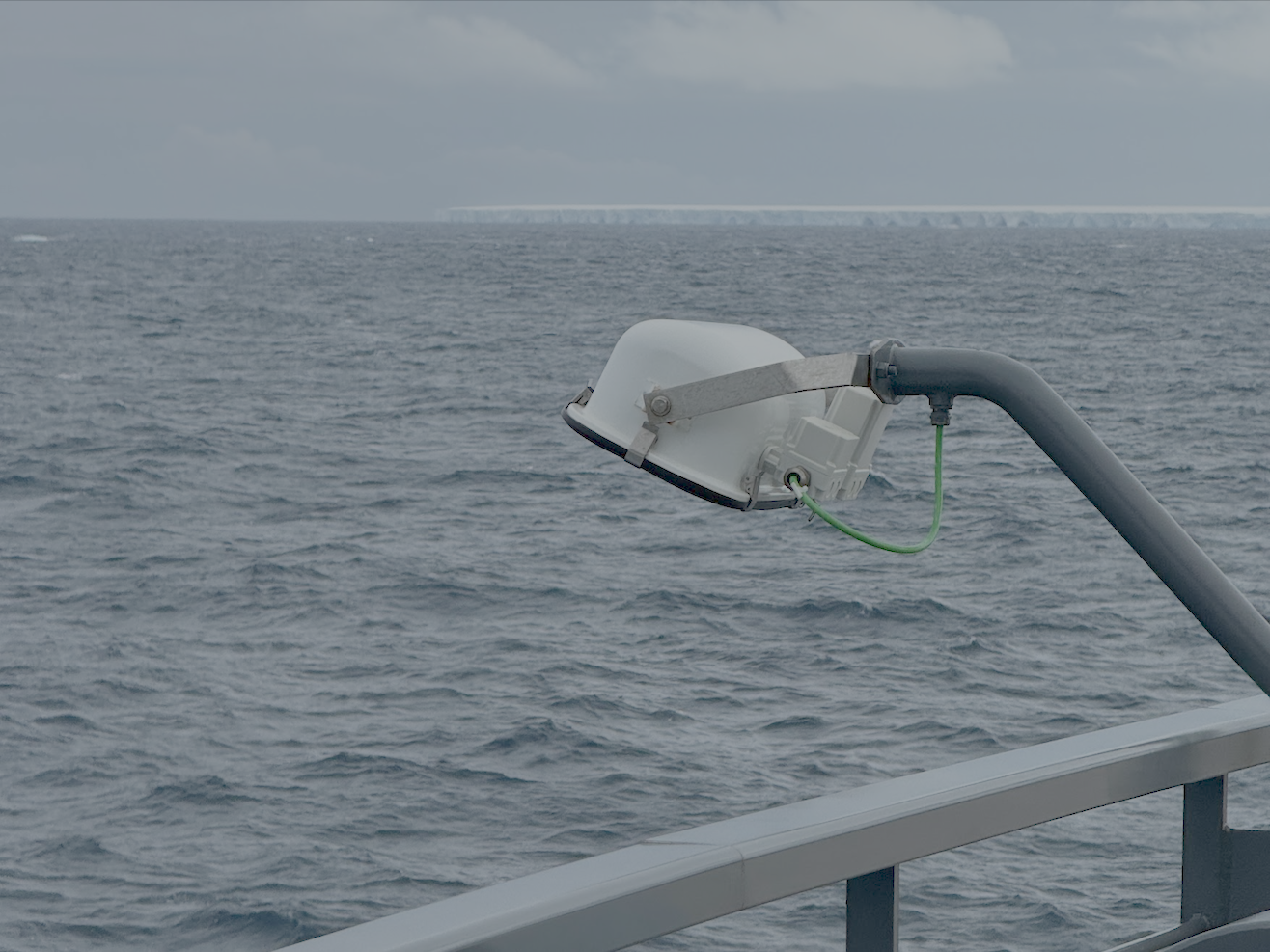
The very tip of A23a - the largest iceberg in the world
A long sheet of ice in the distance.
The expedition team was absolutely correct. For the next few hours, all we saw was a wall of ice. Nothing really remarkable looking, unless you knew what it was. Passing it was more like sailing along a coastline than an actual iceberg.
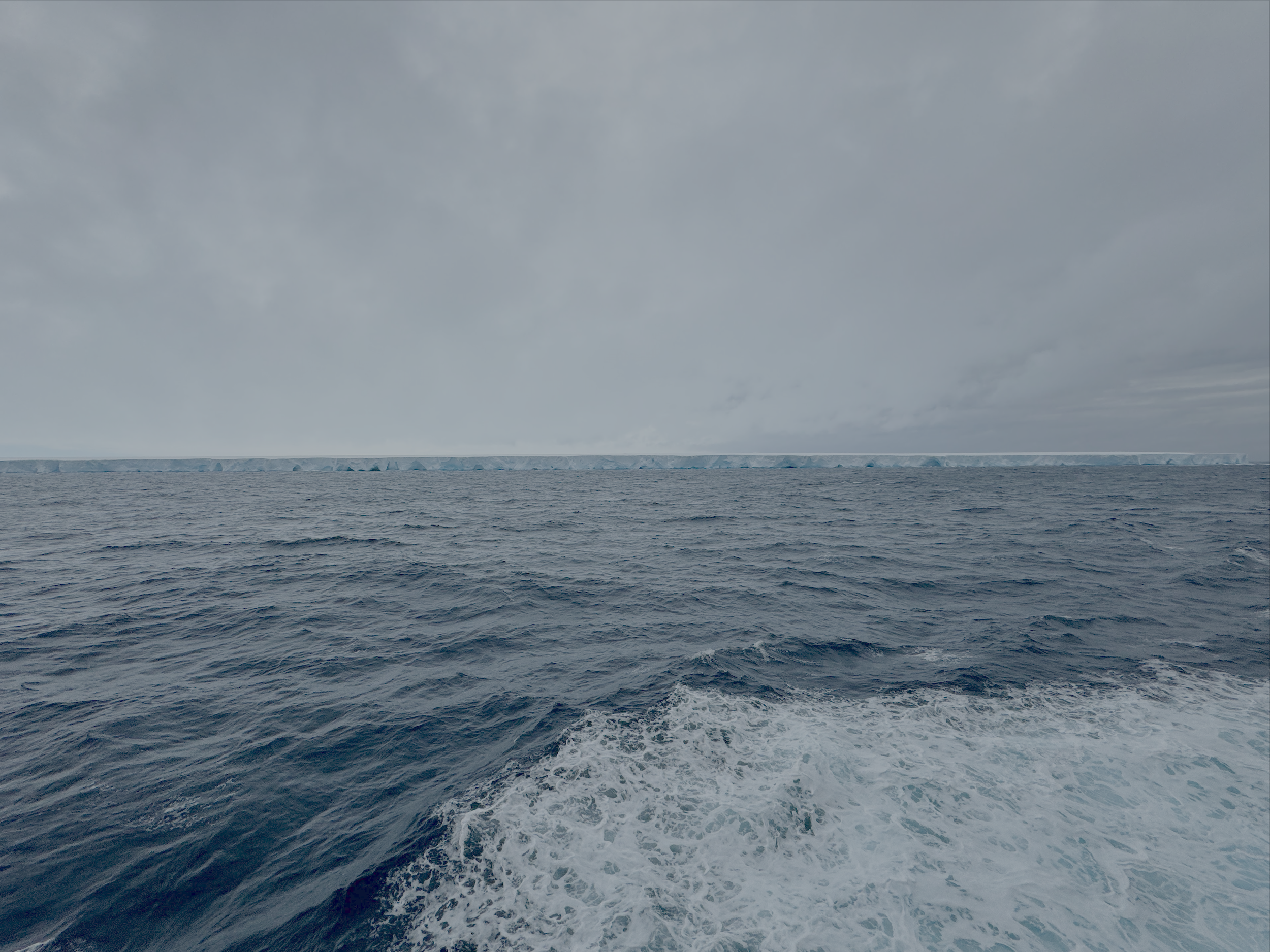
Sailing along A23a en route to South Georgia
We even spotted a couple of penguins standing on top of it at one point, which set off a genuine debate on deck about how they possibly got up there. The best theory from the team was that they'd climbed on somewhere the ice met the water at a lower point on the other side of the iceberg, then walked their way up and across.
A23a ultimately reached South Georgia in March 2025, more than a year after we crossed paths with it, running aground on the continental shelf about 56 miles offshore. It broke free again a few months later, kept drifting, and by late 2025 had started genuinely falling apart in the warmer water. As of this writing, it's pretty much gone, and stopped being tracked in March 2026.
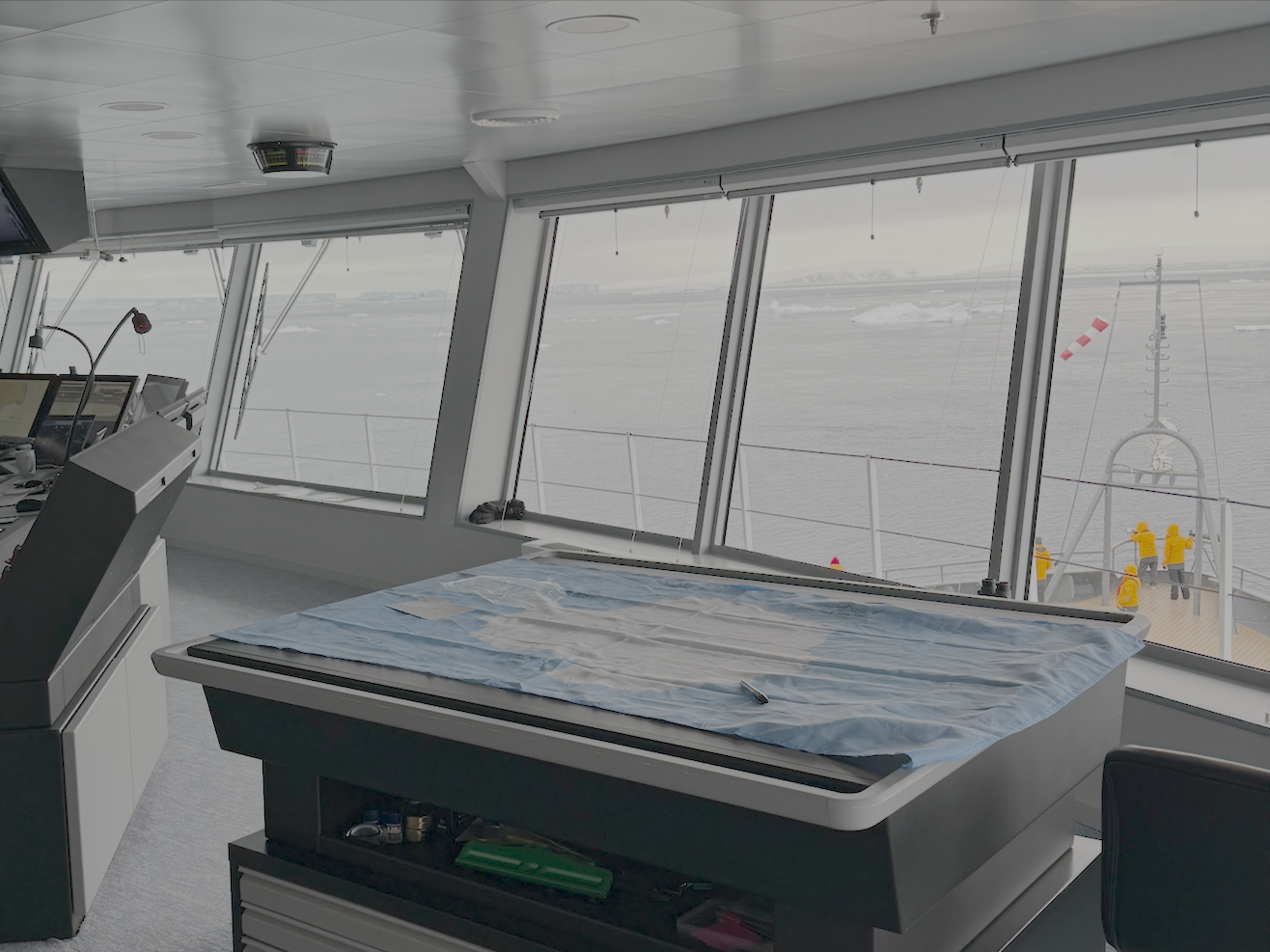
A23a as seen from the Bow Lounge on Seabourn Venture
The iceberg we watched for hours from the deck of Seabourn Venture, the one that looked more like a continent than something floating, has essentially disappeared. Seeing it was a combination of pure luck, combined with a captain and expedition team who knew how to take advantage of it. It’s one of my favorite examples of how you never know what expedition mode can bring.
